Slow Breathing for Blood Pressure
Ten minutes of slow, even breathing at about six breaths a minute, within the range that 17 randomised trials tested against blood pressure.
Why it works
High blood pressure is one of the most common, treatable drivers of heart disease and stroke, and it is measured in a cuff, every time, so the effect of a practice on it can be checked. The trials counted slow breathing as ten breaths a minute or fewer, and this entry uses about six. A 2019 meta-analysis pooled those trials and found a measurable fall in systolic and diastolic pressure in adults who had high or borderline high blood pressure.
Chaddha and colleagues (Complementary Therapies in Medicine, 2019) pooled 17 randomised trials of slow breathing, device-guided and not, in adults with hypertension or prehypertension, with at least four weeks of practice. Slow breathing lowered systolic pressure by 5.62 mmHg (95% CI 3.38 to 7.86) and diastolic by 2.97 mmHg (95% CI 1.66 to 4.28). The heterogeneity across trials was high, and the authors called the reduction modest. They proposed it as a reasonable first step for low-risk people with high or borderline blood pressure who are reluctant to start medication. No trial in the review measured deaths, heart attacks or strokes, so this has not been shown to extend life. The trials were too varied to say how long the effect lasts once practice stops.
- Rhythm
- 5 · 5 seconds, at 6 breaths a minute
How to practice
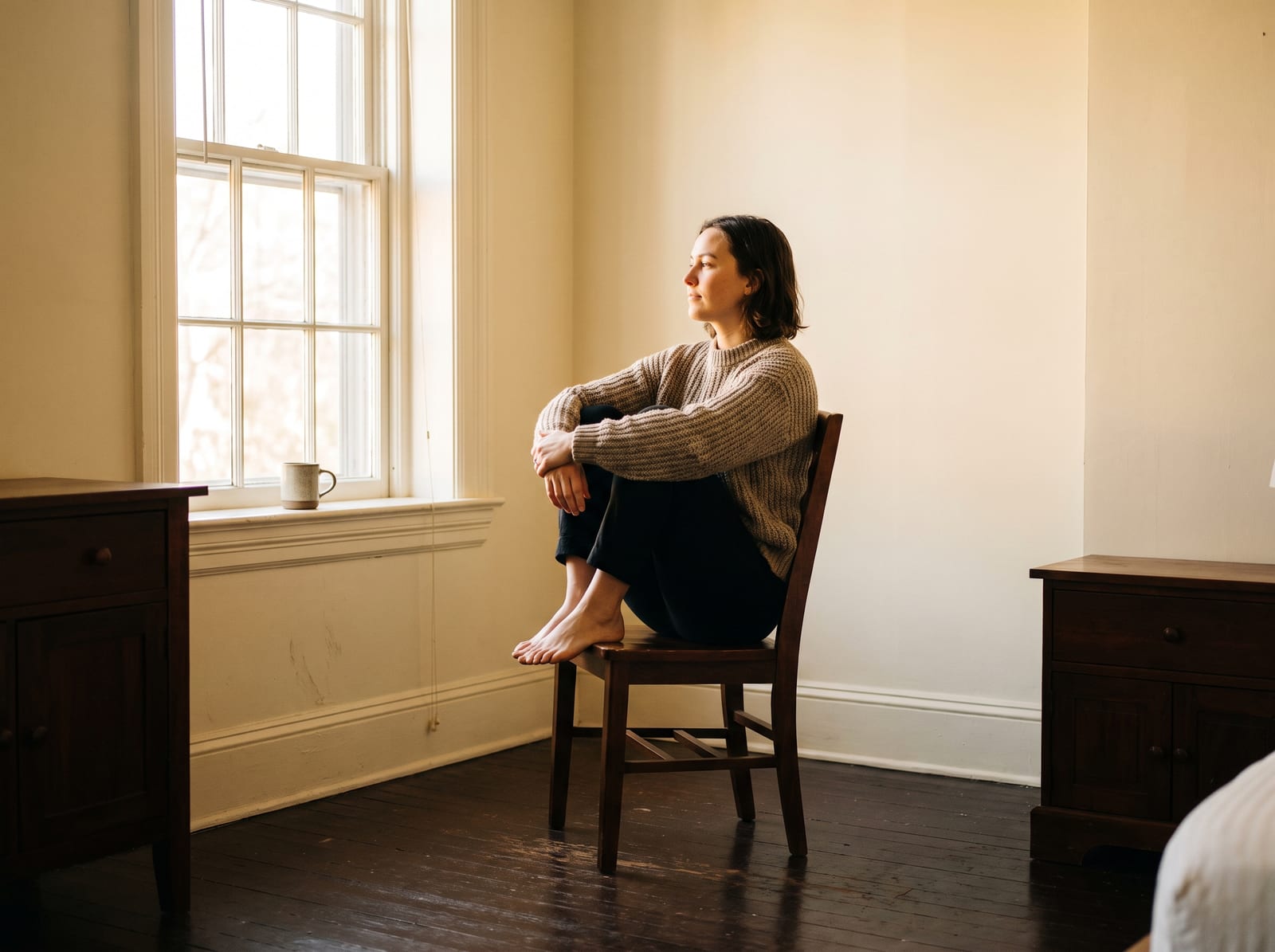
- Sit upright in a chair with your feet flat and your shoulders loose, or lie down if that is more comfortable.
- Breathe in through your nose for a slow count of 5 seconds, letting the belly rise.
- Breathe out through your nose for a slow count of 5 seconds, letting the belly fall.
- Keep the breath smooth and continuous, with no pause at the top or the bottom.
- Repeat for 10 minutes, about 6 breaths a minute.
- Stop, sit for a moment, and then stand up slowly.
- Smooth and quiet is the aim. Deep and forceful breaths are not needed.
- If five seconds in and five out feels strained, lengthen the count gradually over several sessions.
- The trials ran at least five minutes a session on at least three days a week for four weeks or longer, so consistency matters more than length.
⚠ This is not a replacement for prescribed blood pressure medication, and it is not a reason to change or stop a dose. If you have high blood pressure, check with your clinician before you start, and keep taking your medicine as prescribed. Stop and sit if you feel dizzy or faint. Speak to a doctor first if you are pregnant or have a heart condition.