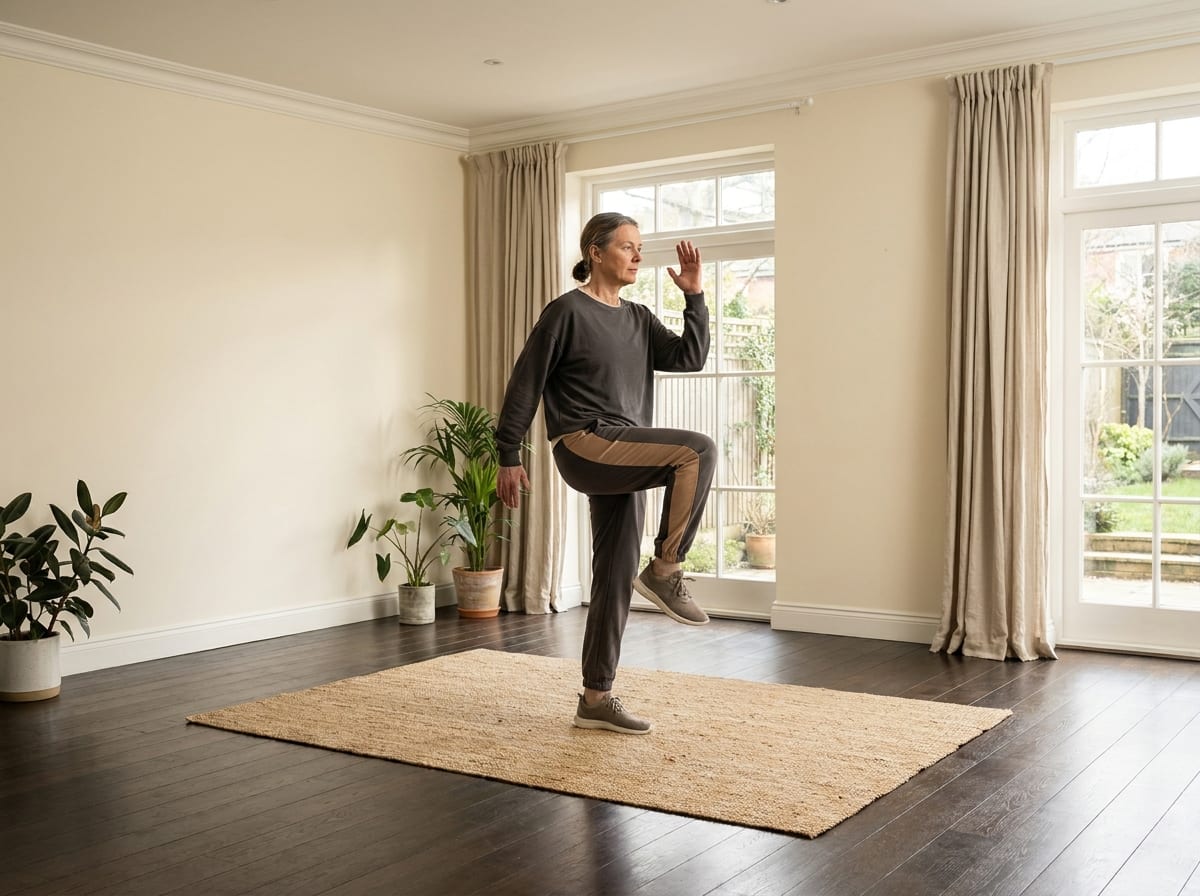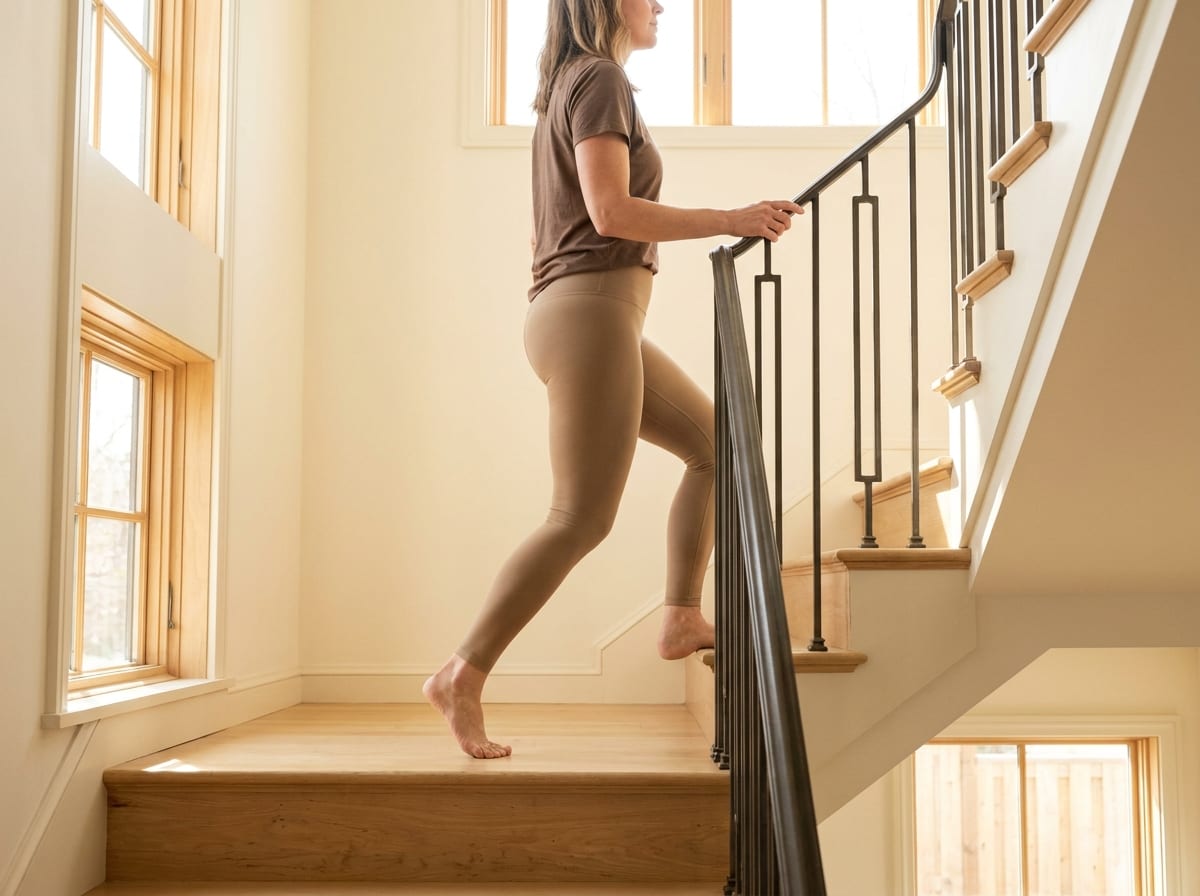
Aerobic Work on Five Days Out of Seven
Twenty to thirty minutes of moderate aerobic work on five days a week, held across autumn and winter. The count of days is what the cohort behind this was split on: the group that came out ahead was the one moving nearly every day.
Why it works
The largest look at exercise and ordinary colds is a cohort rather than a trial, and that is the first thing to know about it. David Nieman and colleagues followed 1,002 adults aged eighteen to eighty-five through twelve weeks of autumn and winter, published in the British Journal of Sports Medicine in 2011, with each person logging upper respiratory symptoms and how many days a week they did aerobic exercise. The people moving on five or more days a week spent 43 percent fewer days with an upper respiratory infection than the people managing one day or none, and the symptoms they did get were rated milder. Self-rated fitness sorted the same way, the fittest third down 46 percent on days sick. Nobody was randomized, which is the limit that matters most. Someone who moves five days a week also tends to sleep differently, smoke less, and pass their days in different rooms with different people than someone who moves once, and this design cannot separate any of that from the exercise. The symptoms came off a questionnaire and were never checked against a virus in a lab, so some of what got logged as a cold was dry air or an allergy. Fitness was self-rated rather than measured on a treadmill. The mechanism is a reasonable guess and was not measured in this cohort. Each session pushes neutrophils and natural killer cells into circulation for a few hours before they move back out into tissue, and the proposal is that repeating it most days keeps that turnover going, rather than any single session doing something. Whether that is what produced the difference here is unknown. One older idea belongs alongside it: hard training was long said to open a window afterwards where infection gets in more easily. Campbell and Turner reviewed that case in Frontiers in Immunology in 2018 and argued it is weaker than its reputation, and that the drop in blood lymphocytes after a hard session reflects those cells relocating into tissue rather than an immune system in retreat. The question is still open. Five moderate days a week sits well short of the training volumes the argument is about, either way.
How to do it
- Pick the mode you will still be doing in November: a brisk walk, a stationary bike, a pool, a treadmill in a spare room. The cohort counted days, not kilometres, so the only requirement is that it repeats.
- Open each session with three to five minutes easy, building until your breathing has changed and you have stopped feeling cold.
- Hold a moderate pace for twenty to thirty minutes. Moderate is where you can still speak in full sentences but would not want to sing.
- Close with two or three minutes easy, and let your breathing settle before you go back indoors.
- Repeat on five days out of seven. Two short outings in one day count as one day, because what was counted was days with exercise in them rather than total minutes.
- On a day with nothing in it, walk ten minutes instead of skipping. Ten minutes keeps the count, and a skipped day is what starts the negotiation about tomorrow.
Dose: 20 to 30 minutes of moderate aerobic work, 5 days out of 7, held through autumn and winter. The cohort was followed for twelve weeks, so give it a season before you judge it. Build from two or three days a week if five is more than you have now.
⚠ Educational content for discussion with a clinician, not medical advice or a prescription. Get clearance before starting regular aerobic work if you have a cardiac condition, uncontrolled blood pressure, or have been sedentary for years, and stop for chest pain, palpitations, or dizziness. None of this substitutes for vaccination, handwashing, or staying home while contagious, and it is not a reason to skip any of them. If you are ill below the neck, with fever, body aches, or a chest cough, rest and pick the count back up when it clears.